First Name: Fatma
Last Name: Mohamed Mahmoud
Country: Egypt
Education Level: Master degree of science In Analytical and Inorganic chemistry, Suez canal University, Egypt
Project Focus: Magnetic Nanocatalysts | Water Remediation | Industrial Wastewater | Organic Pollutant Removal | Sustainable Treatment | Research Commercialisation
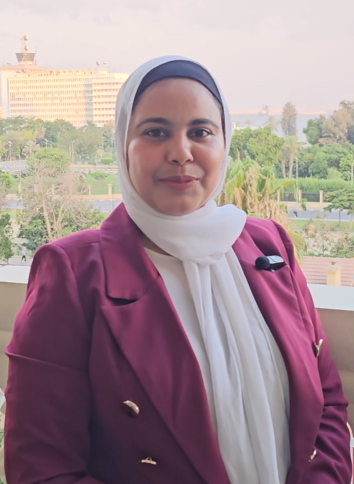
I am a chemistry and nanomaterials researcher specialising in magnetically recoverable nanocatalysts for environmental water remediation. My work focuses on synthesising, characterising, and testing reusable nanomaterials capable of reducing hazardous organic pollutants in aqueous systems. I combine laboratory investigation, catalytic-process analysis, materials characterisation, and environmental research to contribute to more efficient, sustainable, and cost-conscious water-treatment solutions.
Across many regions of the world, industrial development is increasing pressure on water resources and environmental health, creating an urgent need for practical, sustainable, and effective treatment solutions.
The challenge I address is the presence of hazardous organic pollutants and industrial dyes in wastewater.
This problem affects communities, ecosystems, industrial facilities, and water-treatment institutions because contaminated water can create serious environmental and public-health risks.
Today, the issue is becoming more urgent due to industrial expansion, climate pressure, and the growing need for affordable sustainable technologies. Existing solutions are often costly, difficult to recover, or not adapted to repeated use.
Through the MENA Impact Women programme, I developed the concept, positioning, and three-year development plan for an impact-driven initiative focused on sustainable water remediation.
The project proposes advancing research on magnetically recoverable nanomaterials toward practical applications that can support the reduction of selected hazardous pollutants in wastewater.
Its added value is that it combines scientific expertise, reusable materials, magnetic recovery, and a clear environmental-impact objective.
This project matters today because water pollution and industrial wastewater are growing global challenges that are placing increasing pressure on water security, environmental health, and public well-being.
Chemical pollutants, industrial dyes, climate-related pressure, and unequal access to effective treatment are immediate concerns affecting communities, institutions, ecosystems, and local economies.
My project responds to this urgent need by creating a strategic pathway for transforming scientific research into a practical and sustainable solution that can contribute to cleaner water, stronger environmental protection, and more resilient communities.
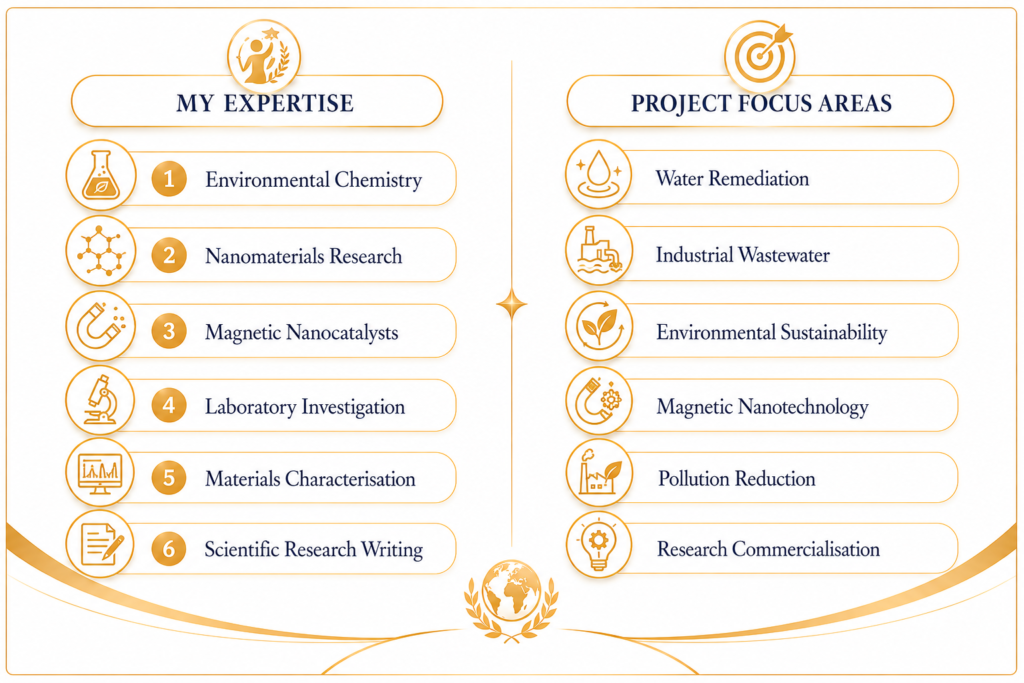
I am Fatma Mohamed Mahmoud, a chemistry and nanomaterials researcher from Egypt with experience in environmental research, laboratory investigation, and water-remediation technologies.
My work focuses on transforming scientific knowledge into practical responses to real environmental needs. Through my participation in the MENA Impact Women programme, I developed an impact-oriented project concept that connects my professional expertise with the urgent challenge of water pollution.
I believe that women’s scientific skills, when strategically positioned and connected to real needs, can become powerful tools for social innovation, environmental protection, economic opportunity, and sustainable development.
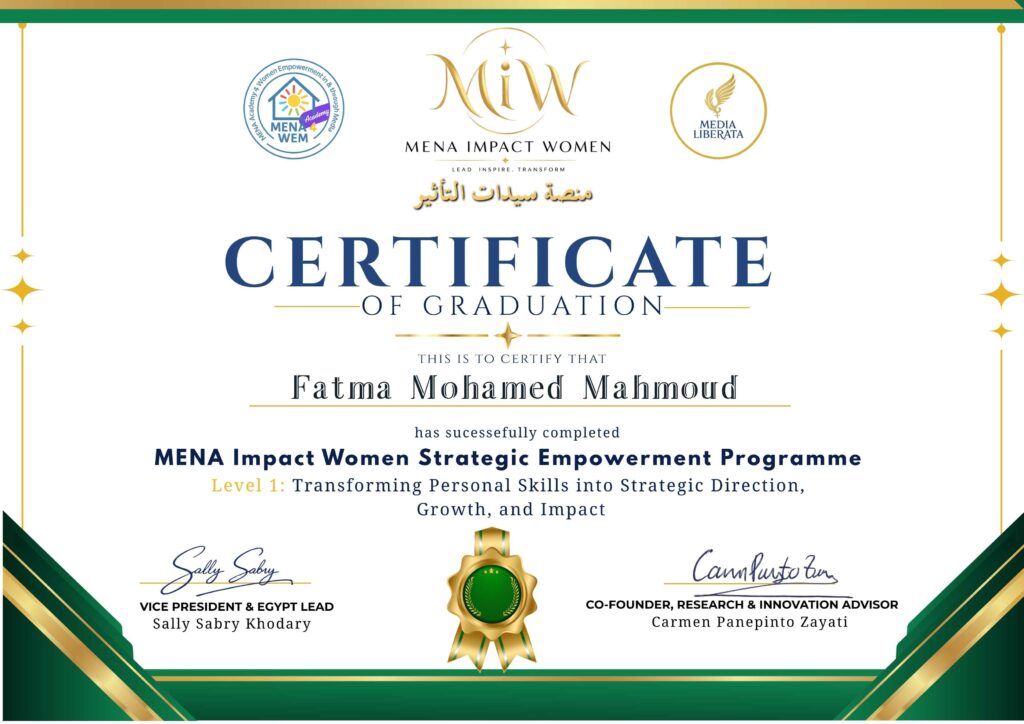
Member of the MENA Impact Women Expert Network
Fatma Mohamed Mahmoud is a member of the MENA Impact Women Expert Network, a regional network of women professionals, researchers and practitioners contributing expertise to research, strategic empowerment and initiatives that transform girls’ and women’s capabilities into opportunities across the MENA region.
Partnerships, collaborations, consulting assignments, research initiatives, training programmes and funded projects involving network members are coordinated through MENA Impact Women to ensure quality, contextual relevance, strategic alignment and collective impact.
For partnerships, collaborations and professional enquiries:
editor@menaimpactwomen.org